🕚 Mon – Sun: 11:00 AM – 5:00 PMWednesday Closed 📞 +91 99209 27333✉ swasthsankalp@gmail.com
Home  /  Hospital Speciality

Hospital Speciality

Whether you are newly paralyzed or a caregiver looking to help a loved one, we're here to provide accurate medical treatment.

Paralysis patient receiving treatment at Swasth Sankalp
Photo: Swasth Sankalp
01 / 09

Paralysis

Paralysis is the loss or reduction of muscle movement in a part of the body. It happens when the messages between the brain and the muscles are interrupted. It may affect one limb, one side of the body, or several areas, and it can be partial or complete.

Common causes

  • Stroke (brain attack)
  • Brain or spinal cord injury
  • Nerve damage or compression
  • Neurological disorders and some infections

Signs & symptoms

  • Weakness in the arms or legs
  • Difficulty standing or walking
  • Loss of balance and muscle control
  • Slurred speech or facial weakness
  • Numbness or change in sensation

How Swasth Sankalp helps: Paralytic conditions of all age groups are treated here. A personalised plan may combine physiotherapy, muscle stimulation, massage therapy and Ayurvedic (Pakshaghat) care. Starting physiotherapy early after a stroke is reported to give better outcomes.

Hemiplegia rehabilitation at Swasth Sankalp
Photo: Swasth Sankalp
02 / 09

Hemiplegia

Hemiplegia is paralysis of one side of the body — the arm, the leg and sometimes the lower face on the same side. Because each half of the brain controls the opposite side of the body, damage to the left side of the brain usually causes right-sided hemiplegia, and vice-versa.

Common causes

  • Stroke — the most common cause
  • Head (brain) injury
  • Spinal cord injury
  • Cerebral palsy from birth

Signs & symptoms

  • Paralysis of the arm and leg on one side
  • Drooping of one side of the face
  • Stiff (spastic) or loose, floppy muscles
  • Difficulty in walking and balance
  • Difficulty with speech in some patients

How Swasth Sankalp helps: The nervous system can re-learn movement through repeated practice (neuroplasticity). Rehabilitation here focuses on active and passive exercises, balance and gait training so that the affected side is used again in daily activities.

Lower limb physiotherapy at Swasth Sankalp Paralysis Rehabilitation Center
Photo: Swasth Sankalp
03 / 09

Paraplegia

Paraplegia is paralysis that affects both legs and often the lower part of the trunk, while the arms keep working normally. It usually follows an injury or disease of the spinal cord in the middle or lower back.

Common causes

  • Spinal cord injury from a fall or accident
  • Tumour or infection pressing on the spinal cord
  • Slipped disc with severe nerve compression
  • Diseases of the spinal cord

Signs & symptoms

  • Loss of movement in both legs
  • Reduced or lost sensation below the waist
  • Difficulty with bladder or bowel control
  • Muscle stiffness or spasms in the legs

How Swasth Sankalp helps: Care is directed at strengthening the muscles that still work, maintaining joint movement, sitting balance and standing practice, and training the patient and family for safe transfers and day-to-day independence.

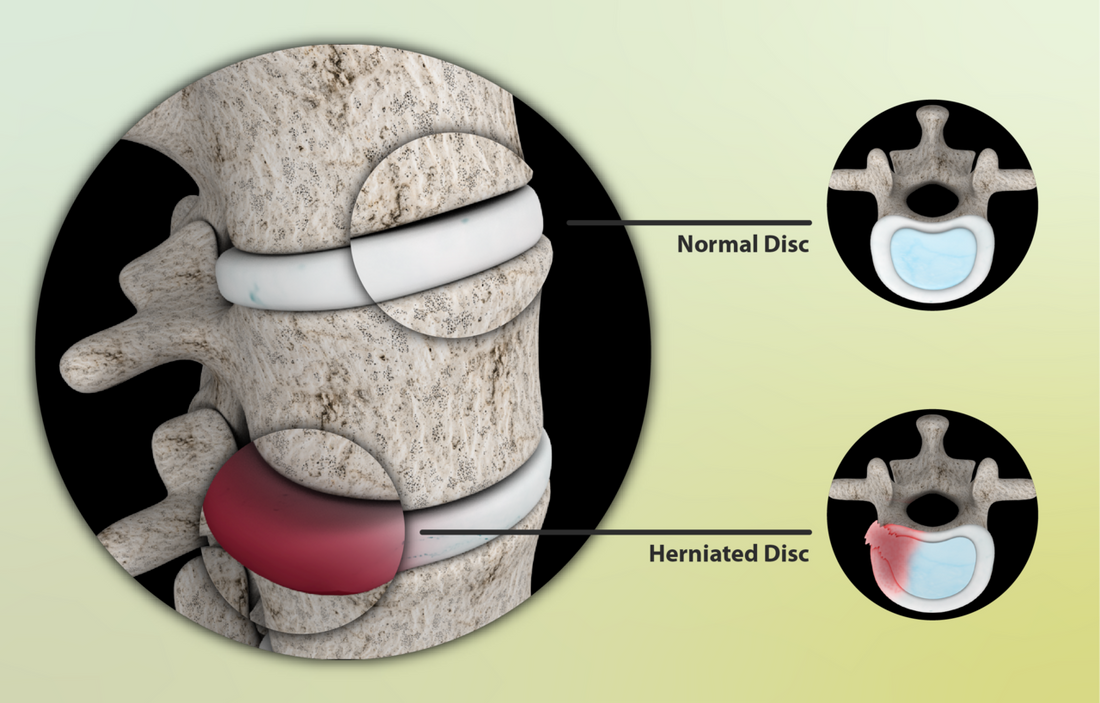
3D depiction of a herniated disc in the spine
Photo: myUpchar (myupchar.com), CC BY-SA 4.0, via Wikimedia Commons
04 / 09

The Bones of Spine

The spine (vertebral column) is a column of 33 bones called vertebrae, with soft discs between them that act as cushions. It holds the body upright and surrounds and protects the spinal cord. When a disc bulges or slips, it can press on a nerve and cause pain, numbness or weakness.

Common causes

  • Slipped (herniated) disc
  • Wear and tear with age
  • Poor posture and long sitting hours
  • Injury or lifting heavy weight incorrectly

Signs & symptoms

  • Back or neck pain that travels to an arm or leg
  • Tingling or numbness in hands or feet
  • Weakness in a limb
  • Pain that worsens on bending or sitting

How Swasth Sankalp helps: Treatment aims to relieve pressure on the nerve and strengthen the back with physiotherapy, posture correction, thermal and massage therapies. Nerve (spinal cord) compression is among the conditions Dr. Shaikh has treated over the years.

Person suffering from neck pain
Photo: myUpchar (myupchar.com), CC BY-SA 4.0, via Wikimedia Commons
05 / 09

Spondylosis

Spondylosis is age-related wear and tear of the spinal discs and joints. In the neck it is called cervical spondylosis and in the lower back lumbar spondylosis. The discs lose water and height, and small bony growths may form and irritate nearby nerves.

Common causes

  • Ageing of the discs and joints
  • Desk work, mobile use and poor posture
  • Old neck or back injury
  • Lack of exercise

Signs & symptoms

  • Neck or lower back pain and stiffness
  • Headache starting from the neck
  • Pain, tingling or numbness in the arms or legs
  • Giddiness or grinding sound on neck movement

How Swasth Sankalp helps: Cervical and lumbar spondylosis are managed with physiotherapy, neck and back strengthening exercises, massage and thermal therapy, along with advice on posture and daily habits.

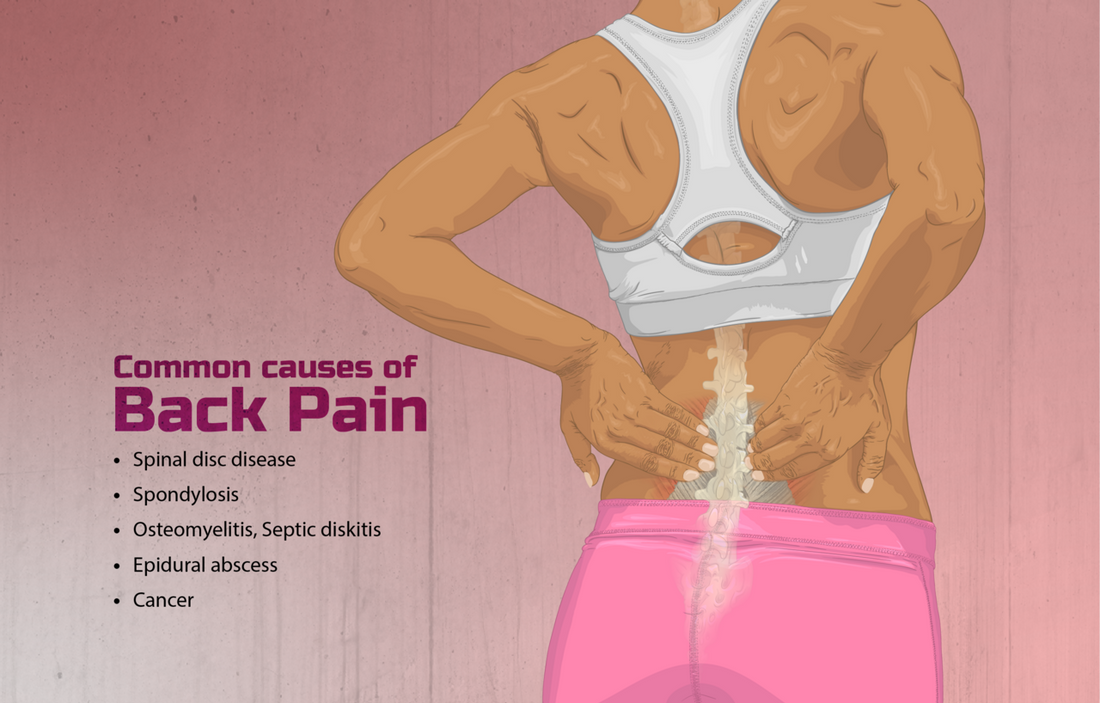
Person suffering from back pain
Photo: myUpchar (myupchar.com), CC BY-SA 4.0, via Wikimedia Commons
06 / 09

Musculoskeletal Disorders

Musculoskeletal disorders are injuries or pain in the body’s movement system — the muscles, joints, ligaments, tendons and nerves. Back pain, neck pain, frozen shoulder and muscle strain are common examples that make everyday work difficult.

Common causes

  • Overuse and repeated strain
  • Wrong posture at work
  • Sudden jerk, fall or sports injury
  • Weak muscles and excess weight

Signs & symptoms

  • Aching or stiffness in the back, neck or shoulder
  • Pain that increases with movement
  • Swelling or tenderness around a joint
  • Reduced range of movement

How Swasth Sankalp helps: Neck, knee and foot massage therapies, physiotherapy machines and guided exercises are used to reduce pain, relax tight muscles and bring back comfortable movement.

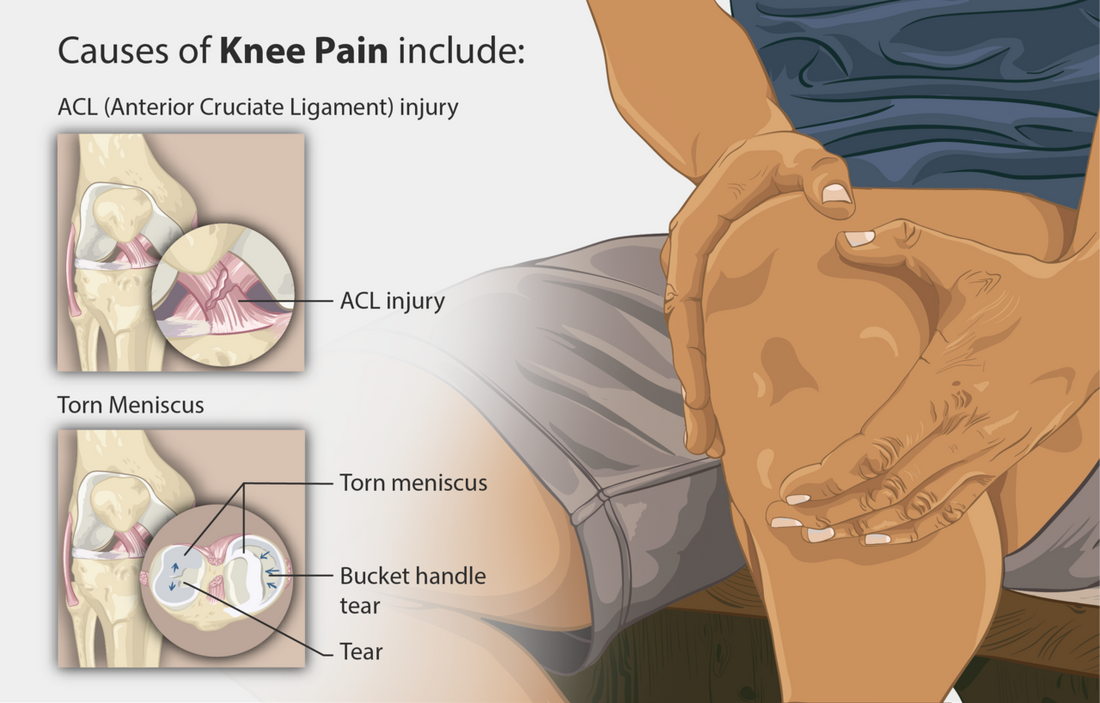
Person suffering from knee pain
Photo: myUpchar (myupchar.com), CC BY-SA 4.0, via Wikimedia Commons
07 / 09

Osteoarthritis

Osteoarthritis is the wearing away of the smooth cartilage that covers the ends of the bones in a joint. It is most common from middle age onward and most often affects the knees, hips, hands and spine.

Common causes

  • Age-related wear of the cartilage
  • Excess body weight on the joints
  • Old joint injury
  • Family history

Signs & symptoms

  • Knee or joint pain while walking or climbing stairs
  • Stiffness after rest, especially in the morning
  • Swelling and cracking sound in the joint
  • Difficulty sitting on the floor or squatting

How Swasth Sankalp helps: Knee joint massage, thermal therapy and strengthening exercises help reduce pain and stiffness and keep the joint moving, so that daily activities stay manageable.

Bell's palsy treatment - before and after
Photo: Swasth Sankalp
08 / 09

Bell's Palsy

Bell’s palsy is a sudden weakness or paralysis of the muscles on one half of the face, caused by swelling of the facial nerve. It usually appears within hours to a day or two. Because facial drooping can also be a sign of stroke, a doctor should examine it urgently.

Common causes

  • Swelling of the facial nerve, often after a viral infection
  • Exposure to cold wind in some patients
  • More common with diabetes and in pregnancy

Signs & symptoms

  • One side of the face droops
  • Unable to close one eye fully
  • Mouth pulls to one side while smiling
  • Drooling, altered taste or pain behind the ear

How Swasth Sankalp helps: Facial exercises, gentle facial massage and stimulation therapy are used to help the facial muscles recover. A patient’s family has written: “Dad was suffering from Bell’s Palsy and treatment here resulted as expected.”

Hand affected by rheumatoid arthritis
Photo: James Heilman, MD, CC BY-SA 3.0, via Wikimedia Commons
09 / 09

Rheumatoid Arthritis

Rheumatoid arthritis is a long-term autoimmune disorder in which the body’s own immune system attacks the lining of the joints. It typically results in warm, swollen and painful joints, often in the hands and feet on both sides of the body.

Common causes

  • Immune system attacking the joint lining
  • Family history
  • More common in women
  • Smoking increases the risk

Signs & symptoms

  • Pain and swelling in the small joints of hands and feet
  • Morning stiffness lasting more than an hour
  • Warm, tender joints on both sides
  • Tiredness and weakness

How Swasth Sankalp helps: In Ayurveda these conditions are counted among the Vatavyadhi. Along with the medicines advised by your physician, physiotherapy, massage and gentle joint exercises help reduce stiffness and protect joint movement.

Rehabilitation

Therapies we use

Planned according to each patient's condition.

Physiotherapy at Swasth Sankalp

Physiotherapy

Focuses on movement, strength, flexibility, balance and functional mobility.

Muscle Stimulation Therapy at Swasth Sankalp

Muscle Stimulation Therapy

Supports muscle activation and movement training when clinically appropriate.

Thermal & Massage Therapy at Swasth Sankalp

Thermal & Massage Therapy

Neck, knee and foot massage therapies that relax the muscles and stimulate nerves.

Mobility & Walking Training at Swasth Sankalp

Mobility & Walking Training

From sitting balance to standing, weight shifting and assisted walking.

Ayurveda for Paralysis (Pakshaghat)

In Ayurveda, paralysis is called Pakshaghat — one of the Vata Vyadhis mentioned in the classical texts. Ayurvedic treatment consists of several types of massages that relax the muscles and stimulate the nerves, helping the patient become as independent as possible.

Ask about treatment
  • Photo credits (free-licence images)
  • The Bones of Spine: “Render of a 3D depiction of a herniated disc.png” by myUpchar (myupchar.com) — Wikimedia Commons, licensed CC BY-SA 4.0 (resized).
  • Spondylosis: “Depiction of a person suffering from neck pain.png” by myUpchar (myupchar.com) — Wikimedia Commons, licensed CC BY-SA 4.0 (resized).
  • Musculoskeletal Disorders: “Depiction of a person suffering from back pain.png” by myUpchar (myupchar.com) — Wikimedia Commons, licensed CC BY-SA 4.0 (resized).
  • Osteoarthritis: “Depiction of a person suffering from Knee Pain.png” by myUpchar (myupchar.com) — Wikimedia Commons, licensed CC BY-SA 4.0 (resized).
  • Rheumatoid Arthritis: “Rheumatoid Arthritis.JPG” by James Heilman, MD — Wikimedia Commons, licensed CC BY-SA 3.0 (resized).
  • All other photographs: Swasth Sankalp.

Not sure which condition it is? Talk to our doctors.

Book Appointment